
Cottonfab Exhibitions
What You'll Discover at Cottonfab
Every Cottonfab exhibition is a walk through India's craft traditions — handloom sarees, Indian textiles, traditional prints, handicrafts and more, brought together by the artisans and sellers travelling with that edition.
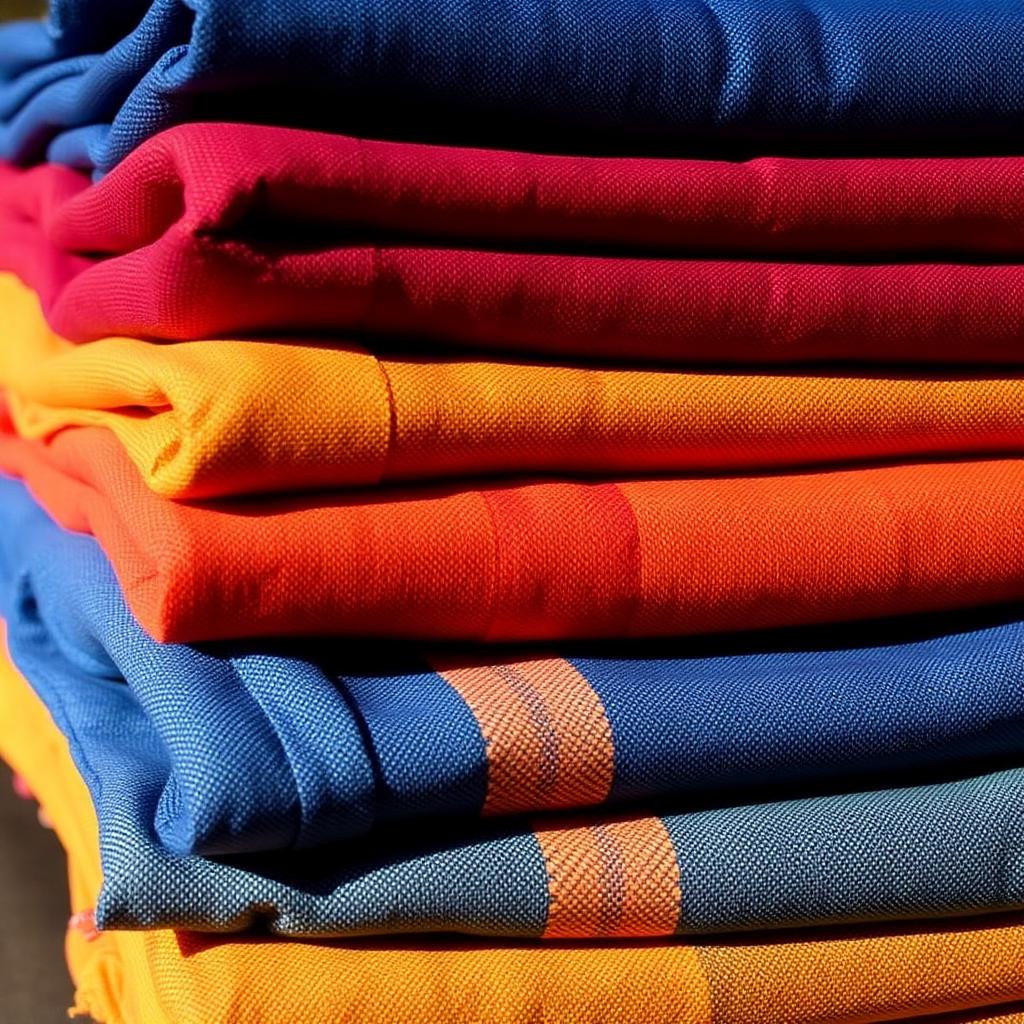
Handloom Sarees
Handloom sarees are often the first thing visitors reach for at a Cottonfab exhibition. Handwoven cottons that breathe through an Indian summer, silks with a quiet sheen, and weaves whose borders and pallus carry the signature of the region they come from.
Cotton sarees tend to be light and everyday; silk sarees are usually kept for occasions. Between them sit blends and textures shaped by the loom, the yarn count and the weaver's own hand. Regional weaving styles vary widely across India, and different exhibitions bring different traditions.
Because participating weavers change from one edition to the next, we do not promise that any particular saree type will be available at every exhibition — it is worth visiting to see what has travelled with us this time.
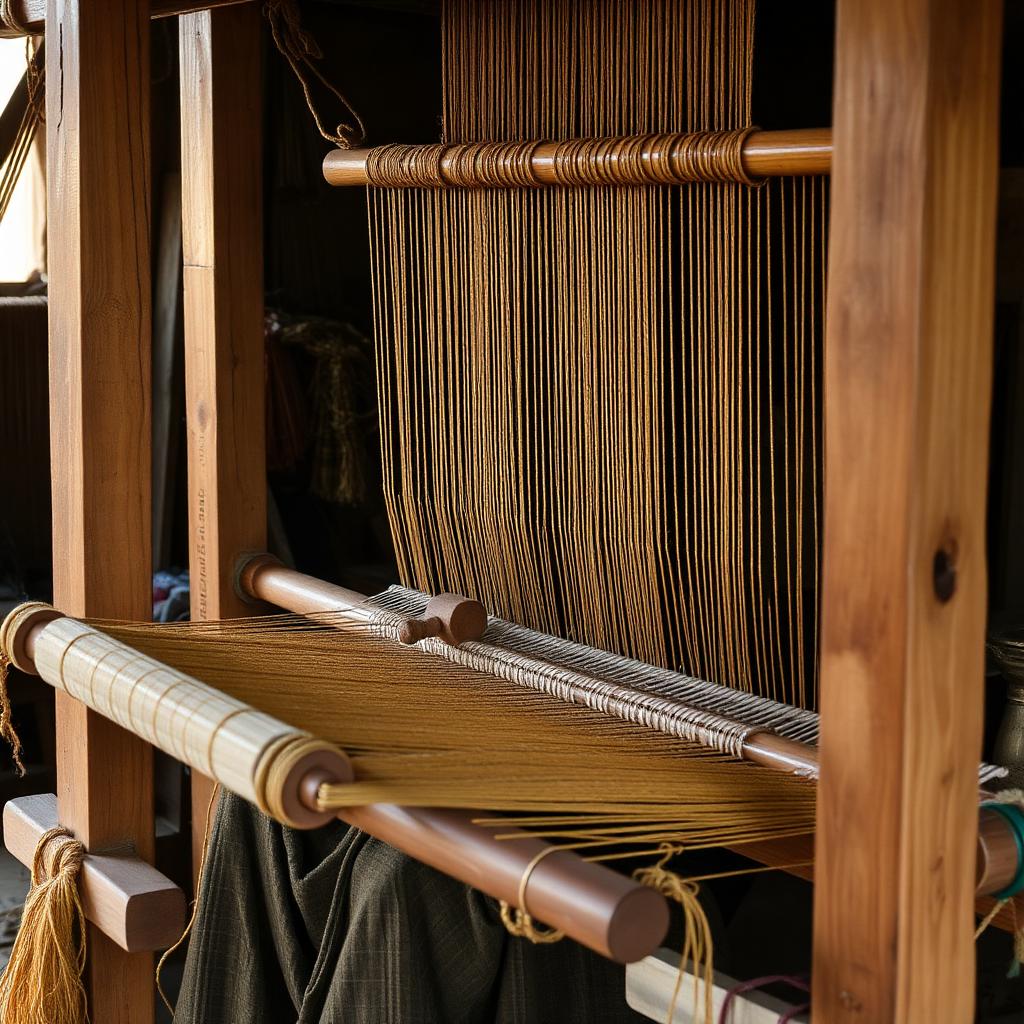
Indian Textiles
Indian textiles are not one tradition but many. Each region has developed its own relationship with fibre, dye and loom, shaped by climate, local crops and generations of practice.
At Cottonfab, that diversity shows up as running fabric, dupattas, stoles and made-up pieces in handloom cotton, silk and blends. Visitors who look closely will notice differences in weave density, selvedge finish and the way colour sits in the yarn — details that separate handloom from mill-made cloth.
Our stalls are arranged so these differences can be compared side by side, which is usually the easiest way to understand them.
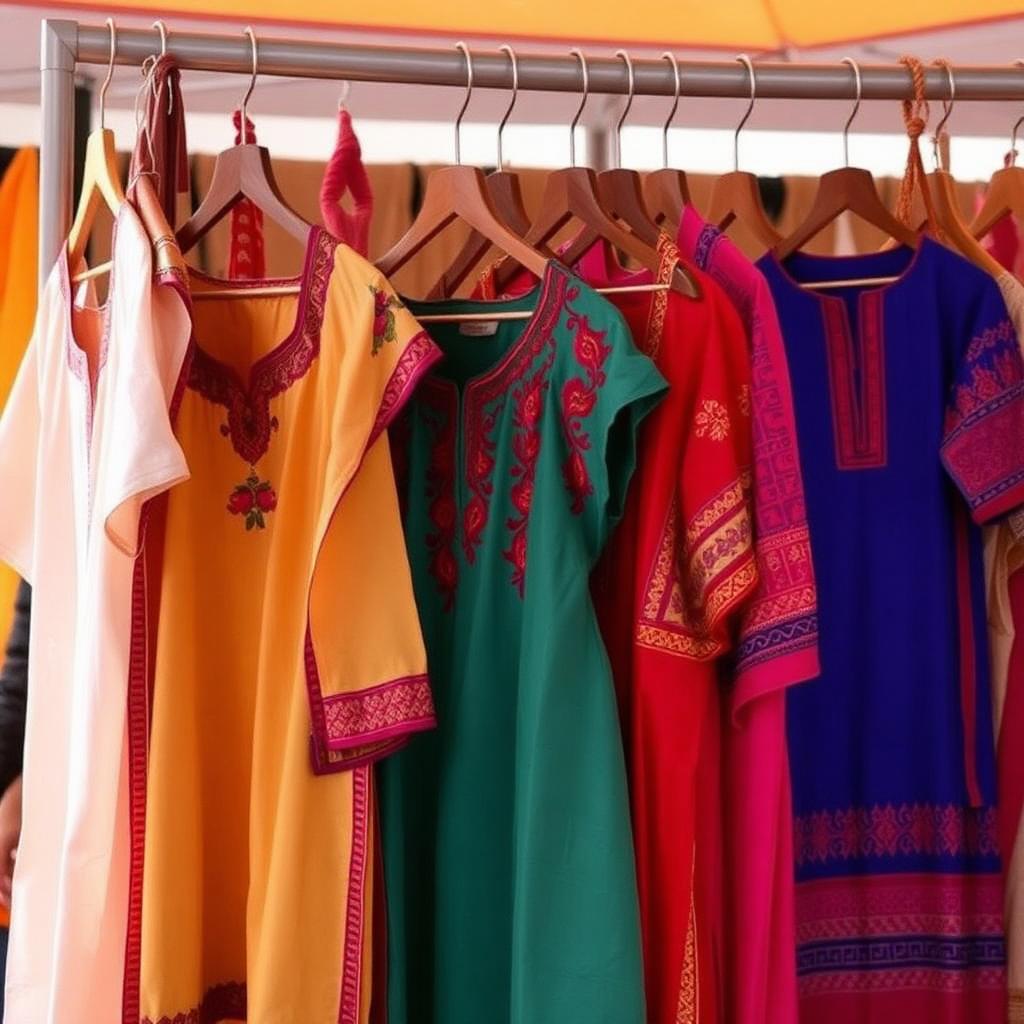
Ethnic Wear & Dress Materials
Beyond sarees, exhibitions usually include unstitched dress materials, salwar suit materials, kurtis and other traditional clothing.
Dress materials are popular with visitors who prefer to have garments tailored to fit, and they often carry the same prints and weaves found on the fabric stalls. Ready kurtis and traditional clothing are there for those who would rather take something home the same day.
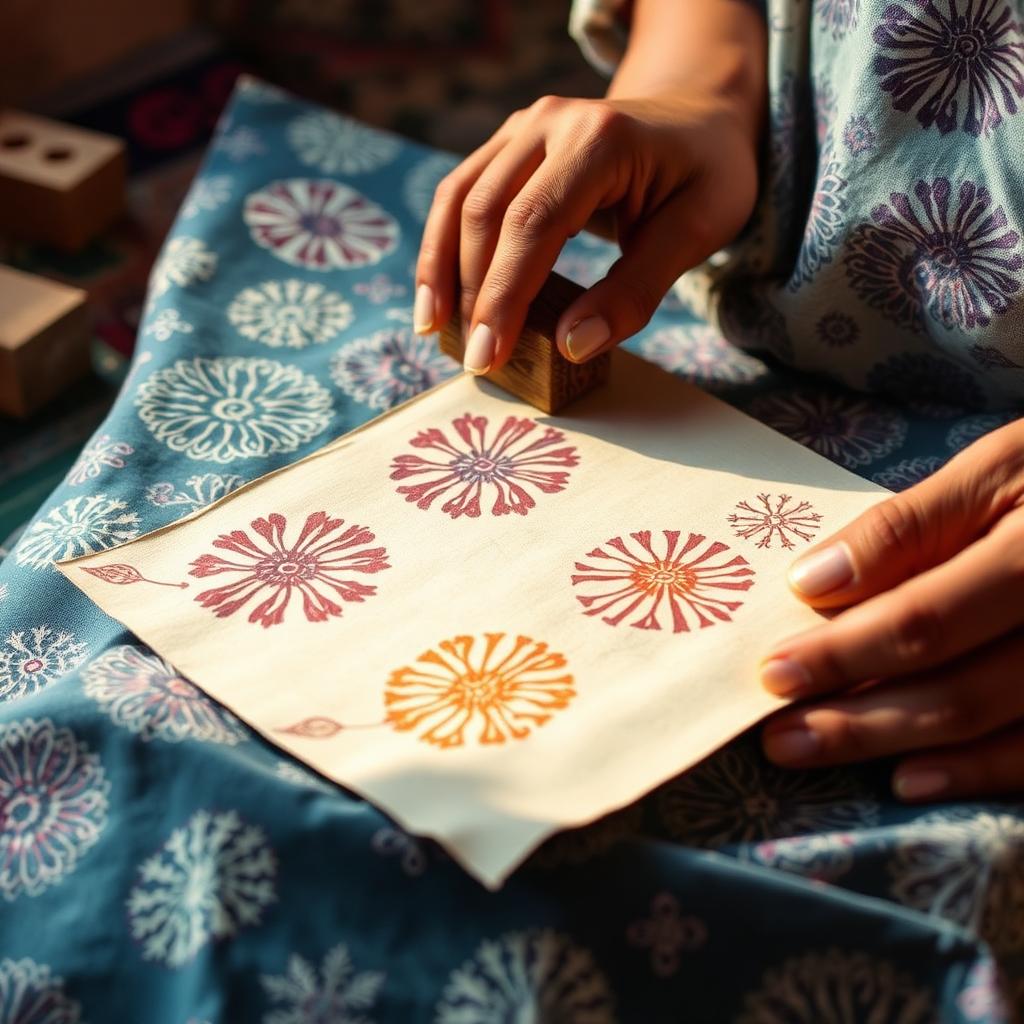
Traditional Prints & Textile Arts
Printed and surface-worked textiles form one of the most recognisable parts of any Cottonfab exhibition. Where available, visitors may find Jaipuri block printing, Ajrakh, Dabu mud-resist work, Bandhani tie-and-dye and Lucknowi Chikankari embroidery.
These are slow processes. A block printed length passes under a carved wooden block again and again; a resist-dyed piece moves between mud, dye and sun. Looking at the small irregularities in a repeat is the simplest way to tell handwork from machine printing.
Availability of any particular tradition depends on the artisans participating in that edition.
Traditional Home Furnishings
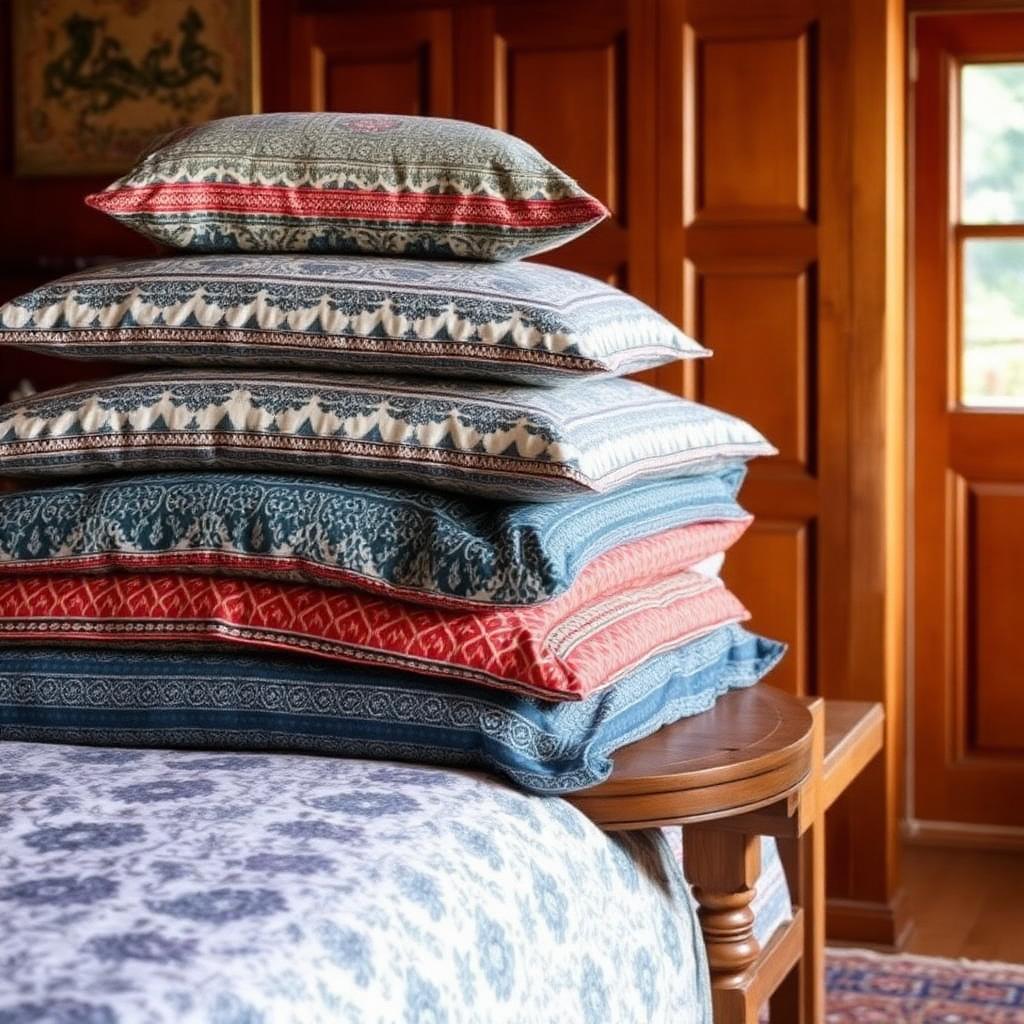
Home furnishings bring traditional Indian textiles into everyday rooms — bedsheets, dohars, curtains, rugs, cushion covers and other handmade home products.
Many of these carry the same block prints and handloom weaves found on the clothing stalls, which makes it easy to build a room around one craft tradition.
Jewellery & Traditional Accessories
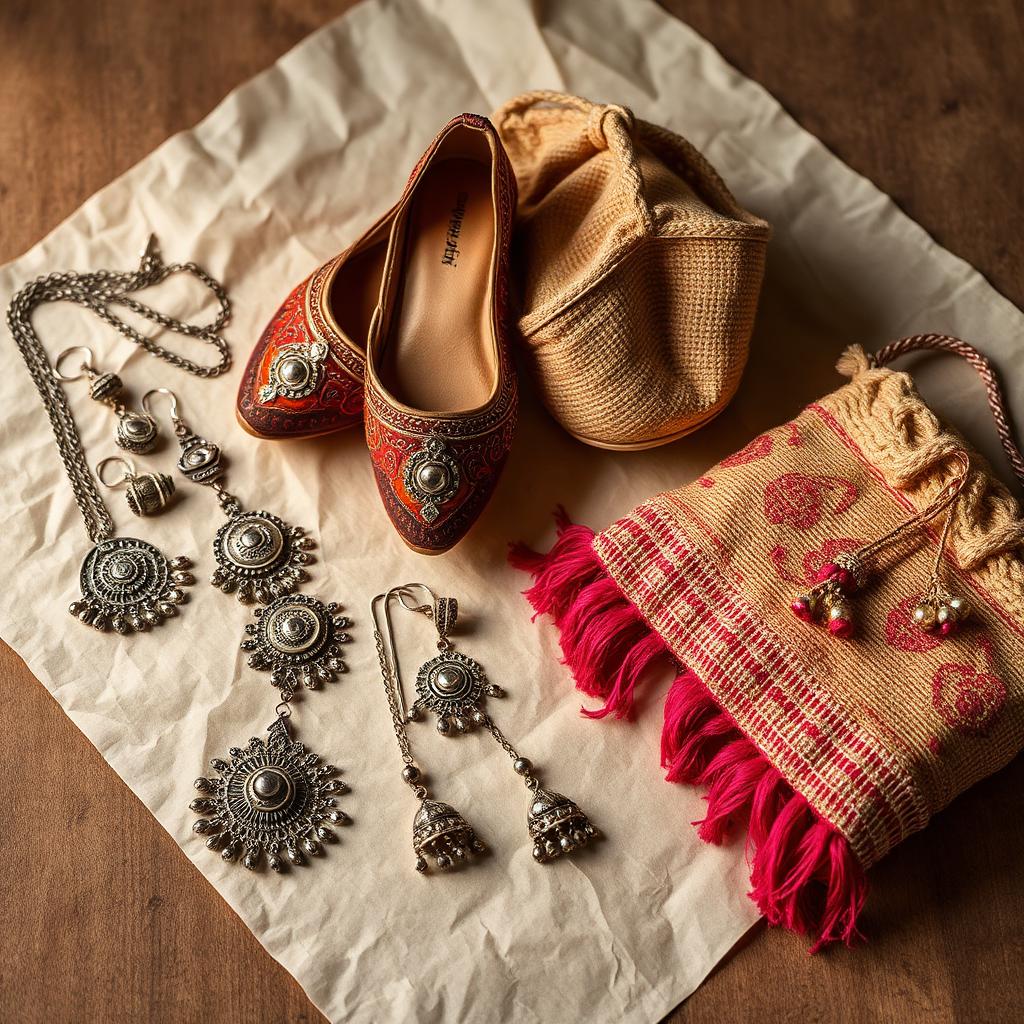
Oxidised jewellery, Jaipur juttis, cane and jute bags and other handmade accessories are a favourite stop, particularly for visitors looking for smaller, gift-sized finds.
Most of these pieces are made in small batches, so designs rarely repeat exactly from one exhibition to the next.
Handicrafts & Artisan Creations
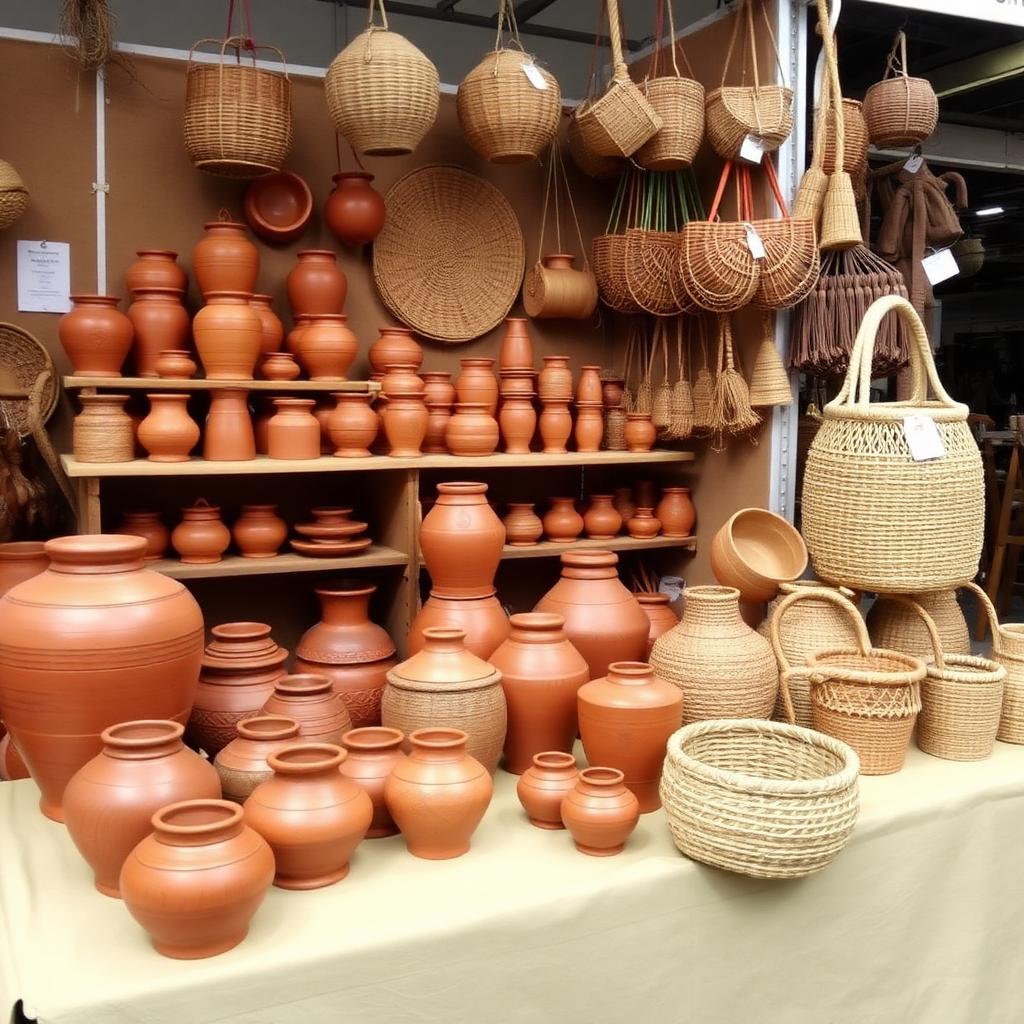
Cane, jute, terracotta, handmade decorative pieces and traditional utility products sit alongside the textile stalls.
These crafts often use materials grown or dug close to where the artisan lives, and the forms have usually been refined over a very long time for daily use rather than display.
Regional Food & Specialties
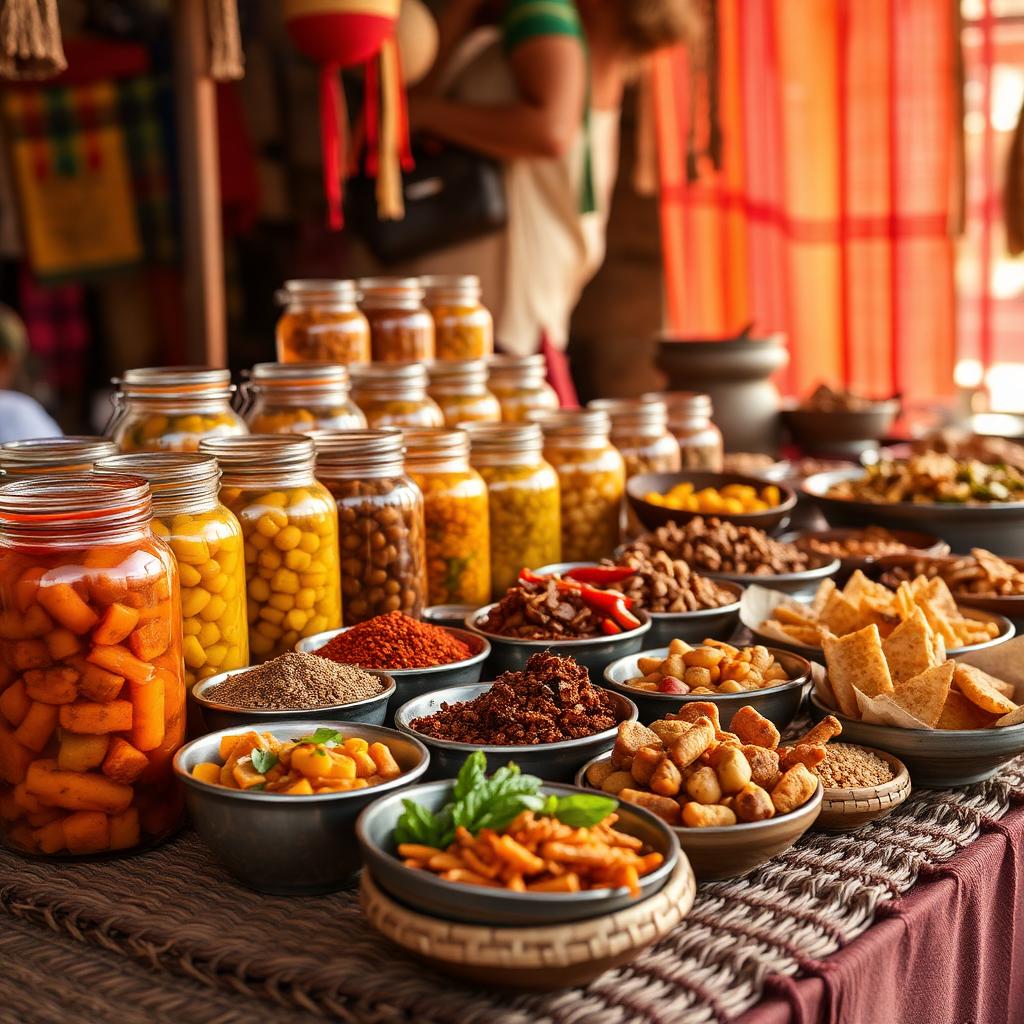
Where available, some exhibitions include regional food specialties — pickles, spices, traditional snacks and other packaged products made using regional recipes.
This category is not part of every Cottonfab exhibition, and it depends entirely on the sellers travelling with that edition.
The Visit
An Exhibition Full of Discovery
Temporary stalls, many craft categories, regional traditions and the people behind them — all within one hall.
A Cottonfab visit works best when it is unhurried. Stalls are set up so that related crafts sit near each other, which makes it easy to compare a handloom weave with a printed fabric, or a terracotta piece with cane work, before deciding.
Many sellers are happy to explain how something was made, which region it comes from and how to care for it. That conversation is often the most valuable part of the visit.
At the Exhibition
A Marketplace of India's Craft Traditions
200+
WORKERS
12+
Indian States
100+
Exhibition Stalls
30+
Years of Exhibitions